Luang Phor Chong หลวงจง วัดหน้าต่างนอก


Phra Achan Phrom    พระอาจารย์พรหม วัดขนอนเหนือ

Luang phor Sud หลวงพ่อสุด วัดกาหลง

Luang Pho Ei  หลวงพ่ออี๋ วัดสัตหีบ จ.ชลบุรี

Luang Phor Phrom หลวงพ่อพรหม วัดช่องแค

Luang Phor Kasem Kemagohหลวงพ่อเกษม เขมโก

Luang Phor Suk  หลวงปู่ศุขวัดปากคลองมะขามเฒ่า

Luangphor klan Wat Phayat หลวงพ่อกลั่นวัดพระญาติ

Phra Rod Lamphun  พระรอด ลำพูน

Luang Poo Tood หลวงปู่ทวด วัดช้างให้

Kruba Sroy -Lunagpoo Hong  ครูบาสร้อย - หลวงปู่หงษ์

Luang Phor Koon หลวงพ่อคูณ ปริสุทฺโธ

Luang Phor Dang หลวงพ่อแดง วัดเขาบันไดอิฐ จังหวัดเพชรบุรี

Luang Poo Tim Wat Rahanrai หลวงปู่ทิม วัดระหารไร่ ระยอง

ครูบาเจ้าศรีวิชัย-ครูบาน้อย ชยวังโส วัดบ้านปง

Luang Phor Pan หลวงพ่อพาน วัดโป่งกะสัง

Luang Phor Derm หลวงพ่อเดิม วัดหนองโพ

Luang Phor Kuay หลวงพ่อกวย ชุตินธโร

Luang Phor Ngern Wat Bangklanหลวงพ่อเงิน วัดบางตลาน

Phra Pidta พระปิดตา

Luang Poo Du หลวงปู่ดู่ วัดสะแก

Luang Po Prong  หลวงปู่ปรง'วัดธรรมเจดีย์จ.สิงห์บุรี

LP Boon Wat Klang Bangkaew หลวงปู่บุญวัดกลางบางแก้ว

Phra Khun Paen พระ ขุนแผน

Luang Phor Rum หลวงพ่อหร่ำ  วัดกร่าง จ.ปทุมธานี

Phor Tan Klai พ่อท่านคล้าย

LungPhor Seng หลวงพ่อเส็ง


Amulet Talisman เครื่องราง ของขลัง

Lunag Phor Boiหลวงพ่อโบ้ยวัดมะนาวสุพรรณบุรี

Luang Phor Nueng หลวงพ่อเนื่อง วัดจุฬามณี

Kuman Thong หลวงพ่อเต๋ วัดสามง่าม


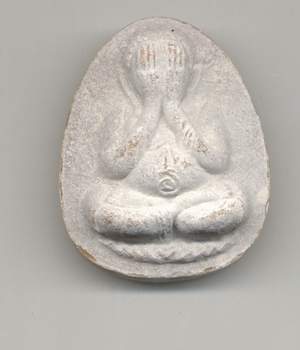
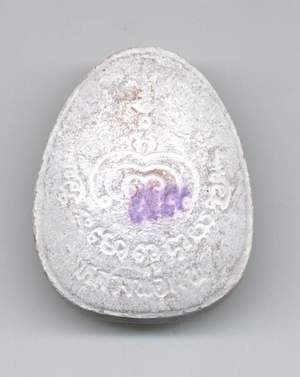
Pra Pidta Luang Por Pae 95, Large Print, B.E. 2525 (1982) 

 Product : 000861

 price 10,000.00.

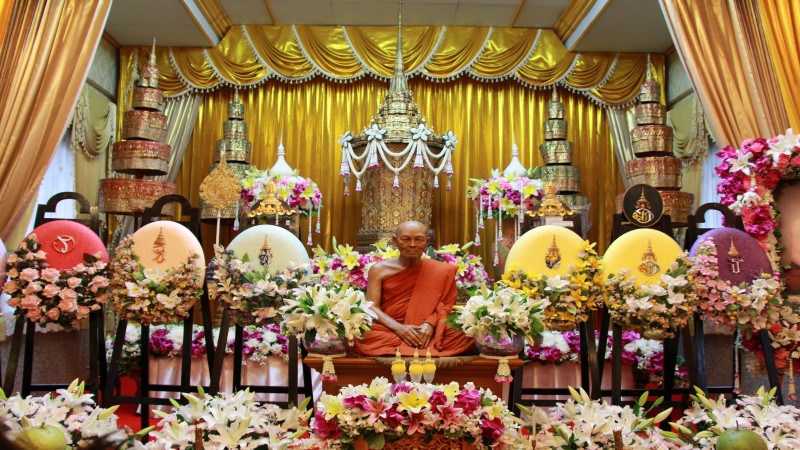
Luang Pho Pae, Wat Phikun Thong, the Deity of the Noi River Basin: A Compassionate Arahant of Singburi 'Phra Thammamuni,' or known as Luang Pho Pae Khemangkaro, the former abbot of Wat Phikun Thong, made immense contributions to the people of Singburi, earning him the title of "Deity of the Noi River Basin." Although he passed away almost 20 years ago, he is still remembered fondly by the elderly, young and old, as well as by his disciples, both Thai and foreign, who deeply respect and revere him. He is also a highly sought-after figure among collectors of amulets and coins. His numerous accomplishments and the spiritual power of his amulets have made them a testament to his enduring virtues, and they remain highly prized and collected. Luang Pho Pae Khemangkaro was a native of Singburi. Born on Monday, January 1, 1905, at Ban Suan Kluay, Tambon Phikun Thong, Amphoe Tha Chang, his parents were Mr. Thien and Mrs. Nai Chaimankong. His mother passed away when he was only 8 months old, so his father gave him to be adopted by Mr. Boon and Mrs. Phian Khamwibul, who were his aunts and uncles. At the age of 11, his adoptive parents took young Pae Khamwibul to the school of Ajarn Pom to study according to the traditional method. He later continued his studies at Wat Chanasongkhram in Bangkok for a period, before returning to his birthplace to be ordained as a novice monk at Wat Phikun Thong, with Phra Athikarn Phan Chanthasaro, the abbot of Wat Phikun Thong, as his preceptor. He then returned to Wat Chanasongkhram and passed the Parian Tham 3 examination while still a novice monk. When he reached the age of ordination, he returned to Wat Phikun Thong to be ordained as a monk, with Phra Mongkolthip Muni as his preceptor. The abbot of Wat Chakrawat Rachawas, Bangkok, served as his preceptor; Phra Khru Sitthidet of Wat Chanasongkhram served as his karma-vachariya; and Phra Athikan On of Wat Champathong served as his anusasana-acharya. He received the monastic name "Khemangkaro" and returned to reside at Wat Chanasongkhram, where he studied advanced Buddhist scriptures until he attained the rank of Phra Maha Pae (a high level of Buddhist scholarship). After that, his eyes suffered severely, forcing him to discontinue his studies in Buddhist scriptures. However, being a studious person, he turned to studying Samatha and Vipassana meditation at the school of Phra Khru Bhavana at Wat Chetuphon. He also became a disciple of Somdej Phra Wanarat (Heng Khemachari) of Wat Mahathat. Later, he learned that in Bang Rachan District there was a highly skilled and revered monk named Luang Pho Sri, the abbot of Wat Phra Prang. He therefore traveled to become a disciple and was greatly favored by his teacher. In 1930, when Abbot Yod of Wat Phikun Thong resigned, the villagers jointly invited Luang Pho Pae to take over as abbot in 1931. He then returned to his birthplace to govern Wat Phikun Thong, at the age of only 26. At that time, Wat Phikun Thong was in a state of disrepair. He consulted with Luang Pho Sri, his teacher, and with the merit of these two revered monks, he was able to quickly renovate and construct permanent structures within Wat Phikun Thong, including the main chapel, the sermon hall, the prayer hall, the assembly hall, the monks' quarters, the scripture hall, the refectory, the meditation hall, the Dharma hall, and the crematorium, among others. In addition, he also brought many public benefits to the local area, including a hospital, the district office, a police station, a health center, a public school, and a bridge across the Chao Phraya River. Including the patient buildings of Singburi Hospital that stand as memorials to this day: the Luang Pho Pae 80th Anniversary Building, the Luang Pho Pae 86th Anniversary Building (X-ray Building), the Luang Pho Pae 90th Anniversary Building, and the Luang Pho Pae Khemangkaro Building, which stand prominently within Singburi Hospital. Wat Phikun Thong, Singburi Province. Luang Pho Pae was widely revered by devotees and had numerous disciples. He received several ecclesiastical titles, his final being Phra Raja Khana ชั้นธรรม (Phra Ratchakhana ชั้นธรรม - a high-ranking monastic title) as Phra Tham Munee. He passed away on February 10, 1999, at the age of 94, having served for 73 years. Currently, Luang Pho Pae's remains are enshrined at Wat Phikun Thong for devotees and Buddhists to pay homage. Luang Pho Pae began creating amulets in 1939, and due to his faith in Somdej Phra Phutthacharn (To Phromrangsi), he created "Phra Somdej" amulets, largely following Somdej To's style. In total, his amulets number no less than 300 types, both in powder and metal materials. Examples include Phra Somdej, Phra Nang Phaya, Phra Rod, Phra Pidta, Phra Leela Thung Setthi, Phra Siwali, Phra Sangkatchai, Phra Khun Phaen, powder amulets with his image, Nang Kwak, etc. He didn't prioritize aesthetics over sacredness, meticulously consecrating them to imbue them with power, protection from danger, charm, and abundance of wealth and prosperity. However, for the amulets to experience their spiritual benefits, those who strictly observe the Five Precepts must adhere to them. (Somdej Phae Phan, 2510 BE, front and back). Regarding value, the 'powder amulets' with the finest texture and most exquisite craftsmanship are particularly valuable. The most expensive is the "Phra Somdej Pae Phan," created in 1967. "Pae" refers to Luang Pho Pae, and "Phan" refers to Phra Athikarn Phan, the former abbot and Luang Pho Pae's mentor when he was ordained as a novice, whom he greatly respected. The front depicts a Phra Somdej amulet in the style of a Garuda chest and bowl-shaped head, or the Kaiser style. Later versions of this amulet followed this same design on both the front and back, differing only in the numbers on the back, centered below the image, and the material composition. These include Pae 2 Phan, Pae 3 Phan... up to Pae 9 Phan. A key distinguishing feature is that, to the naked eye, the amulet appears slightly off-white, but under a magnifying glass, tiny pores the size of or smaller than a pinhead are visible throughout the amulet, caused by the shrinkage or deterioration of the surface over 48 years. Furthermore, other versions of Phra Somdej Pae were also created later

พระปิดตา จัมโบ้หลวงพ่อแพ

รหัสสินค้า:: 000861

ราคา 10,000.00 

หลวงพ่อแพ วัดพิกุลทอง เทพเจ้าแห่งลุ่มแม่น้ำน้อย อริยสงฆ์ผู้เปี่ยมเมตตาแห่งสิงห์บุรี ‘พระธรรมมุนี’ หรือที่รู้จักกันในนาม หลวงพ่อแพ เขมังกโร อดีตเจ้าอาวาสวัดพิกุลทอง ผู้สร้างคุณานุคุณสูงส่งแก่ชาวเมืองสิงห์บุรี จนได้รับการยกย่องให้เป็น “เทพเจ้าแห่งลุ่มแม่น้ำน้อย” แม้ว่าท่านจะละสังขารไปเกือบ 20 ปี แต่ก็ยังเป็นที่รำลึกนึกถึงเสมอมา ตั้งแต่ผู้เฒ่าผู้แก่จนถึงกุลบุตรกุลธิดา อีกทั้งบรรดาลูกศิษย์ลูกหาทั้งชาวไทยและชาวต่างชาติที่เคารพศรัทธา รวมถึงในแวดวงนักนิยมสะสมพระเครื่องและเหรียญคณาจารย์ ด้วยเกียรติประวัตินานัปการที่ท่านได้สร้างไว้เป็นอนุสรณ์แห่งคุณความดีและพุทธาคมแห่งวัตถุมงคลเป็นที่เลื่องลือ เป็นที่นิยมสะสมและแสวงหาอย่างสูงมาโดยตลอดหลวงพ่อแพ เขมังกโร วัดพิกุลทองหลวงพ่อแพ เขมังกโร ท่านเป็นชาวสิงห์บุรีโดยกำเนิด เกิดเมื่อวันจันทร์ที่ 1 มกราคม พ.ศ.2448 ที่บ้านสวนกล้วย ต.พิกุลทอง อ.ท่าช้าง โยมบิดา-มารดา ชื่อ นายเทียน-นางหน่าย ใจมั่นคง มารดาเสียชีวิตตั้งแต่อายุเพียง 8 เดือน บิดาจึงยกให้เป็นบุตรบุญธรรมของ นายบุญ และนางเพียร ขำวิบูลย์ ซึ่งมีศักดิ์เป็นอา อายุ 11 ปี บิดามารดาบุญธรรมนำ ด.ช.แพ ขำวิบูลย์ ไปฝากที่สำนักอาจารย์ป้อม เพื่อศึกษาเล่าเรียนตามแบบโบราณนิยม และเข้าศึกษาต่อที่สำนักวัดชนะสงคราม กรุงเทพฯ ได้ระยะหนึ่ง ก็กลับบ้านเกิดเพื่อบรรพชาเป็นสามเณร ณ วัดพิกุลทอง โดยมี พระอธิการพัน จันทสโร เจ้าอาวาสวัดพิกุลทอง เป็นพระอุปัชฌาย์ แล้วเดินทางกลับวัดชนะสงครามตามเดิม จนสอบได้เปรียญธรรม 3 ประโยค ตั้งแต่เป็นสามเณร เมื่ออายุครบบวชก็กลับมาอุปสมบทที่วัดพิกุลทองอีก โดยมี พระมงคลทิพย์มุนี เจ้าอาวาสวัดจักรวรรดิราชาวาส กรุงเทพฯ เป็นพระอุปัชฌาย์, ท่านพระครูสิทธิเดช วัดชนะสงคราม เป็นพระกรรมวาจาจารย์ และ ท่านเจ้าอธิการอ่อน วัดจำปาทอง เป็นพระอนุสาวนาจารย์ ได้รับฉายาว่า “เขมังกโร” แล้วเดินทางกลับไปจำพรรษาที่วัดชนะสงคราม ศึกษาด้านพระปริยัติธรรมขั้นสูง จนได้เปรียญ 4 ประโยค ได้เป็น “พระมหาแพ” หลังจากนั้นมานัยน์ตาเกิดอาการเจ็บปวดอย่างรุนแรง การศึกษาด้านพระปริยัติธรรมจึงต้องยุติลง แต่ด้วยความเป็นผู้ใฝ่ศึกษา ท่านจึงหันมาศึกษาด้านสมถกัมมัฎฐานและวิปัสสนากัมมัฎฐานที่สำนักพระครูภาวนา วัดเชตุพนฯ และยังได้เป็นศิษย์รูปหนึ่งของ สมเด็จพระวันรัต (เฮง เขมจารี) วัดมหาธาตุ ด้วย ต่อมาทราบว่าที่อำเภอบางระจัน มีพระอาจารย์เรืองวิทยาคมและวาจาศักดิ์สิทธิ์นัก ชื่อ หลวงพ่อศรี เจ้าอาวาสวัดพระปรางค์ ท่านจึงเดินทางไปฝากตัวเป็นศิษย์และยังเป็นที่โปรดปรานของพระอาจารย์เป็นอย่างยิ่ง ปี พ.ศ.2473 อาจารย์หยด เจ้าอาวาสวัดพิกุลทอง ลาสิกขาบท ชาวบ้านจึงร่วมกันนิมนต์หลวงพ่อแพให้รับตำแหน่งเจ้าอาวาสสืบแทนในปี พ.ศ.2474 ท่านจึงเดินทางกลับบ้านเกิดเพื่อปกครองวัดพิกุลทอง โดยขณะนั้นมีอายุเพียง 26 ปีเท่านั้น และวัดพิกุลทองก็ชำรุดทรุดโทรมมาก ท่านจึงไปปรึกษา หลวงพ่อศรี พระอาจารย์ และด้วยบารมีของพระเกจิทั้งสองรูป จึงสามารถบูรณปฏิสังขรณ์ รวมทั้งสร้างถาวรวัตถุภายในวัดพิกุลทองได้ในเวลาอันรวดเร็ว อันได้แก่ พระอุโบสถ ศาลาการเปรียญ หอสวดมนต์ หอประชุมกุฎิสงฆ์ หอไตร หอฉัน ศาลาวิปัสสนา โรงฟังธรรม และ ฌาปนสถาน เป็นต้น นอกจากนี้ ท่านยังสร้างความเจริญให้ท้องถิ่นอีกมากมายเพื่อเป็นสาธารณประโยชน์ ทั้ง โรงพยาบาล, ที่ว่าการอำเภอ, สถานีตำรวจ, สถานีอนามัย, โรงเรียนประชาบาล, สะพานข้ามแม่น้ำเจ้าพระยา ตลอดจนอาคารผู้ป่วยของโรงพยาบาลสิงห์บุรีที่เป็นอนุสรณ์สืบมาจนปัจจุบัน คือ อาคารหลวงพ่อแพ 80 ปี, อาคารหลวงพ่อแพ 86 ปี (อาคารเอ็กซเรย์), อาคารหลวงพ่อแพ 90 ปี และ อาคารหลวงพ่อแพ เขมังกโร ที่โดดเด่นเป็นสง่าภายในโรงพยาบาลสิงห์บุรีวัดพิกุลทอง จ.สิงห์บุรีหลวงพ่อแพ เป็นที่เคารพศรัทธาของสาธุชนโดยถ้วนหน้า มีลูกศิษย์ลูกหามากมาย ท่านได้รับการแต่งตั้งสมณศักดิ์เรื่อยมา สมณศักดิ์สุดท้ายเป็นพระราชาคณะชั้นธรรมที่ พระธรรมมุนี ท่านมรณภาพเมื่อวันที่ 10 กุมภาพันธ์ พ.ศ.2542 รวมสิริอายุ 94 ปี พรรษา 73 ปัจจุบัน สรีระของหลวงพ่อแพยังคงประดิษฐาน ณ วัดพิกุลทอง เพื่อให้ญาติโยมและพุทธศาสนิกชนทั่วไปได้สักการบูชาสืบมา หลวงพ่อแพ เริ่มสร้างวัตถุมงคลมาตั้งแต่ปี พ.ศ.2482 และด้วยความศรัทธาในท่านเจ้าประคุณสมเด็จพระพุฒาจารย์ (โต พรหมรังสี) ท่านจึงได้สร้าง “พระสมเด็จ” ขึ้น โดยยึดถือแนวทางการสร้างของสมเด็จโตเป็นส่วนใหญ่ รวมแล้ววัตถุมงคลของท่านมีไม่ต่ำกว่า 300 พิมพ์ มีทั้งเนื้อผงและเนื้อโลหะ มีอาทิ พระสมเด็จ พระนางพญา พระรอด พระปิดตา พระลีลาทุ่งเศรษฐี พระสิวลี พระสังกัจจายน์ พระขุนแผน พระผงรูปเหมือน นางกวัก ฯลฯ ซึ่งท่านจะไม่เน้นเรื่องความสวยงามเป็นหลัก หากแต่เน้นในเรื่องความศักดิ์สิทธิ์ จะพิถีพิถันในการปลุกเสกให้เกิดความเข้มขลัง แคล้วคลาดจากภยันตรายทั้งปวง, เมตตามหานิยม, อุดมด้วยลาภผลและโภคทรัพย์ แต่ผู้ที่ใช้วัตถุมงคลของท่านแล้วจะเกิดพุทธคุณได้นั้น ต้องรักษาศีล 5 อย่างเคร่งครัดสมเด็จแพพัน ปี 2510 หน้า-หลังสมเด็จแพพัน ปี 2510 หน้า-หลัง ด้านค่านิยมนั้น สำหรับ ‘พระเนื้อผง’ ที่มีเนื้อหาจัดสุด มีความฝีมือประณีตสุด และราคาแพงที่สุด คือ “พระสมเด็จแพพัน” ที่สร้างเมื่อปี พ.ศ.2510 คำว่า “แพ” นั้น หมายถึง หลวงพ่อแพ ส่วนคำว่า “พัน” หมายถึง พระอธิการพัน อดีตเจ้าอาวาสผู้เป็นพระอุปัชฌาย์เมื่อครั้งบวชเณรที่ท่านเคารพนับถือมาก พุทธลักษณะด้านหน้า จะเป็นพระสมเด็จพิมพ์อกครุฑเศียรบาตร หรือ ทรงไกเซอร์ ซึ่งต่อมารูปแบบพระสมเด็จที่สร้างในภายหลัง จะยึดเอกลักษณ์พิมพ์ทรงเดียวกันทั้งด้านหน้าและหลัง ต่างกันที่ตัวเลขด้านหลังที่อยู่ตรงกลางใต้รูปเหมือน และเนื้อหามวลสารเท่านั้น ได้แก่ แพ ๒ พัน, แพ ๓ พัน ... จนถึง แพ ๙ พัน จุดสังเกตสำคัญ คือ หากมองด้วยตาเปล่า สีสันวรรณะขององค์พระจะออกเป็นสีขาวหม่นเล็กน้อย แต่ถ้าส่องกล้องดูจะเห็น “รูพรุน” เท่าหรือเล็กกว่าปลายเข็มอยู่ทั่วองค์พระ อันเกิดจากการยุบตัวหรือหดตัวของผิวพระที่ผ่านกาลเวลามากว่า 48 ปี นอกจากนี้ภายหลังยังมีการสร้างพระสมเด็จแพ @----------- ศิษย์รักหลวงพ่อ สายตรง -----------@
 

THAILAND AMULET CENTER |SING BURI OFFICE
19 หมู่ 4 ตำบลพักทัน อำเภอบางระจัน  จังหวัดสิงห์บุรี
 Tel: 66-081-7842076,66-093-3361995  whatapp:0933361995
Mobile : 66-093-3361995   e-mail:amuletcenter@hotmail.com
พระเครื่องเมืองสยาม| โดย พร บางระจัน:
236/2 หมู่ 5 ,ถนน เชียงใหม่ ลำพูน ,ตำบลยางเนิ้ง,อำเภิสารภี จังหวัดเชียงใหม่ 50140
Tel: 66-081-7842076,66-093-3361995  whatapp:0933361995
Mobile : 66-093-3361995   e-mail:amuletcenter@hotmail.com
Copyright © 2006 Thailand Amulet Center. Website Terms of Use   |   Privacy Statement Find us on Youtube Facebook